Decimal Game Click Here
Thursday, November 20, 2014

Thursday, November 6, 2014
Science Friday

1. Before watching the Brainpop Video on Cloning, visit, Yourdictionary.com and find out the meaning and pronunction of the following words:
organ, clone, embryo, cell, biologist, ethical
2. Visit brainpop.com and type in cloning in the search bar.
3. Set up your a box and bullet chart in your science notebook with the topic , "Cloning" as your box.
3. Watch the video "Cloning" and as you watch jot down the most important details from the video as bullets
4. Write a summary of the video by putting all your details together
5. Take the quiz
6. Read the FYI section
7. Create a T chart with the following headings "Advantages of Cloning" and "Disadvantages of Cloning" and add the details with the evidence from the video, the FYI section and the text on cloning that we read last week.
8. Write an essay that is 2 pages long agreeing or disagreeing with this statement: We should clone humans
Use the graphic organizer below to help you write your essay:
Brainpop Assignment:

1. Before watching the Brainpop Video on Cloning, visit, Yourdictionary.com and find out the meaning and pronunction of the following words:
organ, clone, embryo, cell, biologist, ethical
2. Visit brainpop.com and type in cloning in the search bar.
3. Set up your a box and bullet chart in your science notebook with the topic , "Cloning" as your box.
3. Watch the video "Cloning" and as you watch jot down the most important details from the video as bullets
4. Write a summary of the video by putting all your details together
5. Take the quiz
6. Read the FYI section
7. Create a T chart with the following headings "Advantages of Cloning" and "Disadvantages of Cloning" and add the details with the evidence from the video, the FYI section and the text on cloning that we read last week.
8. Write an essay that is 2 pages long agreeing or disagreeing with this statement: We should clone humans
Use the graphic organizer below to help you write your essay:
Paragraph 1:
Introduction Restate the question
Body
Paragraph 1
Body
Paragraph 2
Body
Paragraph 3
Paragraph 4:
Conclusion Restate your introduction
Monday, October 27, 2014
Online Resources for Westward Expansion

Broad Topic: Westward Expansion
Ducksters.com Click Here
Interactive Map of Westward Expansion Click Here
Scholastic Click Here
History.com Click here
Narrow Topics or Subtopics
The Erie Canal
The Erie Canal Click Here
PBS.org Click Here
National Geographic – Creating Canals (video):click here
History.com – videos: Building the Erie Canal (2:39):click here
Learn more about the canal hereClick Here
The Gold Rush
Videos about the Gold Rush Click Here
Kidport.com Click Here
Social Studies for Kids Click Here
Ducksters.com Click Here
PBS.org – map of the largest strikes: click here
Carpenter’s Discovery Triggers Gold Rush (3:15):Click Here
The Homestead Act
Social Studies for Kids Click Here
History.com Click Here
Ducksters.com Click Here
PBS.org – Frontier House video clips click here
National Parks Service Click Here
Lewis and Clark
Discovering Lewis and Clark: click here
National Geographic:click here
Kids Know It: Educational video with quiz: click here
National Geographic: Sacagawea: click here
The Louisiana Purchase
WatchKnowLearn.org: Louisiana Purchase in a Nutshell (1:11): click here
Ducksters.com Click Here
Social Studies for Kids Click Here
History.com Click Here
Learn more here! Click Here
The Oregon Trail
Go on the Trail too! Click Here
Ducksters.com Click Here
WatchKnowLearn.org – videos: In the Wake of Lewis and Clark (5:39):click here
The Pony Express
Ducksters.com Click Here
National Geographic – map and photographs: click here
Social Studies Click Here
The Pony Express Click Here
National Geographic Click Here
The Trail of Tears
The Trail of Tears Click Here
More information Click Here
A Brief History of the Trail of Tears Click Here
“We Shall Remain” (5:27) from PBS Learning Media:click here
The Transcontinental Railroad
PBS.org – photo gallery:click here
Ducksters.com Click Here
Teacher Tube Click Here
History.com Click Here
Other sources of information:
Visit Google.com then type in Social Studies for kids and type in your topic
Sunday, October 26, 2014
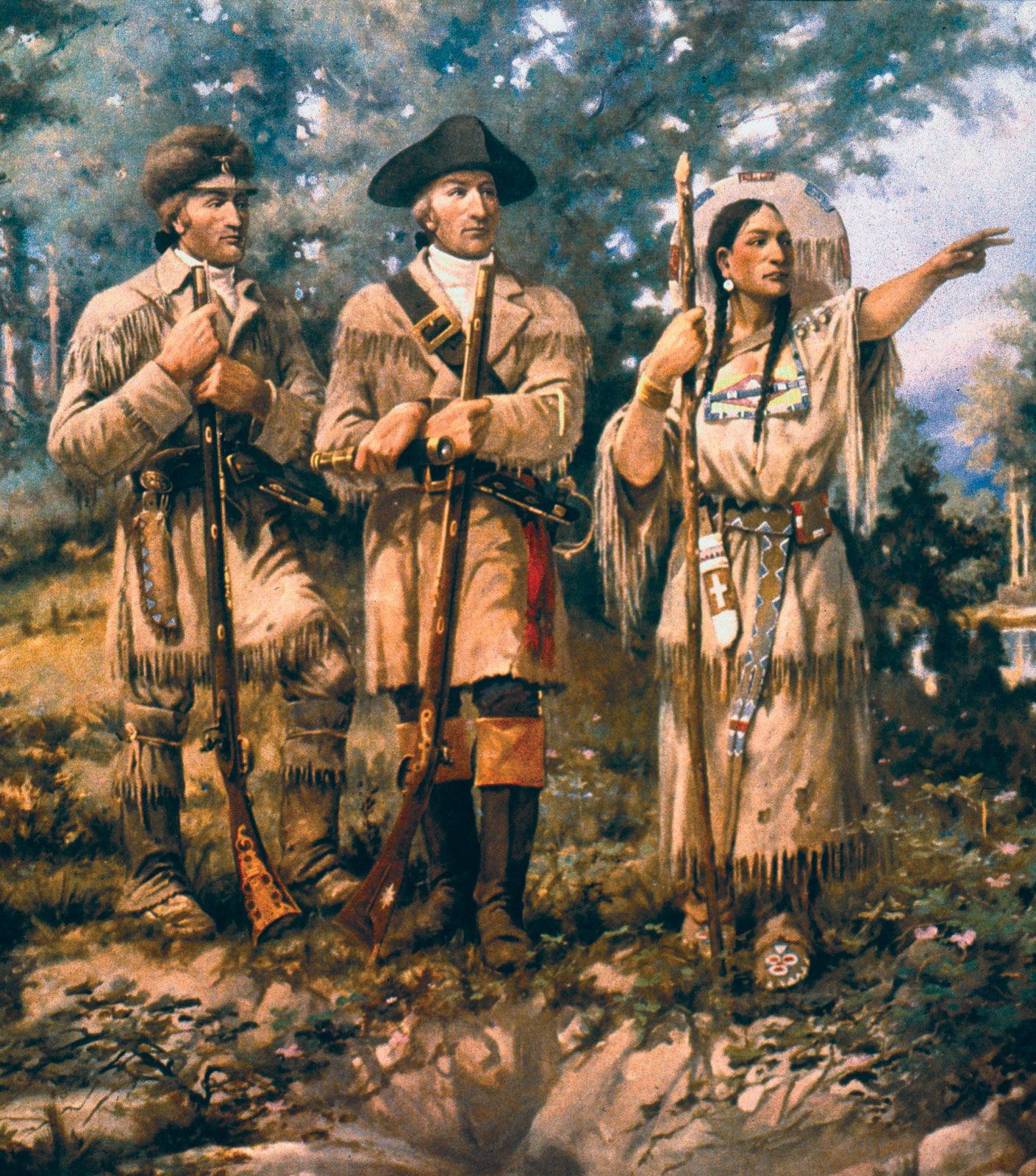 Visit the following website here and find out the following:
1.Who were Lewis and Clark?
2.What did they do?
3.How did they contribute to Western Expansion?
Write a short essay in your content area notebooks. Use each bullet to write a paragraph. So you should have 3 paragraphs and an introduction and conclusion. Use your own words and quote from the text where necessary.
You can visit other websites such as social studies for kids for more information.
Sunday, October 19, 2014
Westward Expansion Through Maps
Westward Expansion Through Maps

When the United States won its independence from Great Britain at the end of the Revolutionary War, the country nearly doubled in size. The Treaty of Paris, signed with the British in 1783, provided for the expansion of the young nation west to the Mississippi River.
After 1783, the United States gained new land from European countries, neighboring countries (such as Mexico), and Indian tribes. This was done through purchases (paying for it), wars and treaties, and the forced removal of Indian tribes from the lands they had occupied for thousands of years.
The 13 original British colonies became the country's first states, but they were not the same size and shape as they are today. It took more than 176 years — from 1783 to 1959 — for all 50 states to become part of the United States of America.
Your task: Today you will begin learning about Western Expansion through maps
Current map of USA

1. Visit the Map of the US in 1800 US in 1800 .

Draw a T-chart in your content area notebooks with the following headings "Current Map of USA" and "USA in the 1800s"
Write down your observations about each map under each heading.
Then write a short response to this question: Compare and contrast the geography of the United States in 1800 and today in 2014? (What are the similarities and differences)
2. Now visit the map of the USA in 1860 US in 1860.
 Write a short response to the following question in your content area notebooks: What new information are you learning as you look at this map?
You can use the following thinking prompt to help you.
When I look at the map, I am noticing____(describe details on the map)____. This is making me realize___________________________.
3. Use the map to brainstorm and jot down some ideas in your notebooks on what was the Louisiana Purchase.
4. Next begin research using box and bullets on the following topic: The Louisiana Purchase.
- What was it?
- When did it occur?
- Who were involved?
- Why did it occur?
- How did it occur?
Use the following resources to help you in your research:
Ducksters
Social Studies for Kids
History.com
monticello.org
US history
Geography.com
American History
Mrnussbaum.com/
Pbs.org
5. Visit the following map map of US rivers and click geological features to see the various rivers in the United States.

Examine the major rivers in the Louisiana territory. How is this map helping you to understand why Thomas Jefferson wanted to acquire the Louisiana Territory from the French?
Monday, October 13, 2014
Westward Expansion through Pictures

During the first half of the 19th century, the United States acquired millions of acres of new territory, and its citizens quickly began heading west to settle these new lands.
This week , you will be looking at images and videos to build your background knowledge of this period in American History.
Task A: Create a table with three headings in your content area notebook with: What I feel, What I notice, What I want to find out more about.
Look at the following images and fill in the table with your impressions:
ANDREW MELROSE--WESTWARD THE STAR OF EMPIRE TAKES ITS WAY--NEAR COUNCIL BLUFFS IOWA, 1867
JOHN GAST' - "AMERICAN PROGRESS," (1872)
WILLIAM RANNEY - "BOONE'S FIRST VIEW OF KENTUCKY" ; 1849.
GEORGE CALEB BINGHAM - "DANIEL BOONE ESCORTING SETTLERS THROUGH THE CUMBERLAND GAP," ( 1850-51)
First View of the Big Colorado River, from Summit of Mountain Between Camps 31 and 32 (1853)
Ho! For California! (1851)
Task B: After analyzing the photos and jotting down your impressions in a table. Begin preliminary reading on Western Expansion to find out exactly what it was and how it affected American History. At the end of your reading today, you should have one paragraph in your notebooks telling the reader what was the Western Expansion and Manifest Destiny in American History.
Visit the following websites to begin your reading:
Westward Expansion for Kids
All About Westward Expansion
Videos and Articles on History.com
Saturday, October 4, 2014
 The Slithering Rocks of Racetrack Playa
After reading and answering the questions in the assigned article, visit npr here to find out more about the topic, listen to the story and to see the rocks move over time. Then complete the following in your science notebooks:
1. Write a short reflection on how this video helps you to understand more about the science article
2. Write a summary of your science article. You can use the graphic organizer on page 8 here.
Subscribe to:
Posts (Atom)